

Healthy Eating Made Simple: A Lazy Girl's Guide To Nutritious Living
Disclaimer: I am not a nutritionist or a doctor. All content in this post is simply for informational purposes and based on my own experiences. This is not nutritional or medical advice. For more information check out my terms and conditions.
From Confused to Confident: Your Straightforward Guide to Actually Eating Healthy
For those of us who grew up with poor eating habits or simply don't know how to cook with nutritional wellness in mind, eating healthy can feel like a daunting challenge.
This is where I was for 22 years of my life. I had no idea how to cook nutritional meals or even know what was actually healthy to eat. I wanted to eat well, feel better, and look healthier but didn't know how. With so many opinions about what is and isn’t good for your health, I was left feeling overwhelmed and confused. This was until I learned the rules of creating nutritious healthy meals.
In this post I'll be sharing the 4 rules I use to create nutritious meals that keep me fueled and feeling good about what I’m putting in my body. I’ll be covering:
How I Was Able To Create Delicious And Healthy Meals With No Effort
Defining What Eating Healthy Means
The 4 Food Categories Every Meal Needs
Increasing Nutritional Value
The Fastest And Easiest Way To Eat What's Best For You
The Shorter The List The Better
You can’t feel good if you aren't fueling good! If you’re ready to ditch the foods that are keeping you from feeling and looking your best, identify the best foods for you, and create healthy meals easily, keep reading below!
How I Was Able To Create Delicious And Healthy Meals Effortlessly
Learning how to create and eat healthy meals was such a struggle. I mean, you're reading this blog from the girl who grew up eating three bowls of cereal and microwave chicken flavored rice packets daily.
As I got older, I became more aware of the effects that eating poorly had on my body. Low energy, acne, stomach pain, bloating and stubborn fat deposits, just to name a few.
I went to a Naturopath for some of these concerns and did some blood work. When she went over the results, I was quite shocked at what she found. First, I was allergic to gluten and dairy. I had suspicions, but now it was confirmed. Secondly, I was 0.1 point away from being considered pre-diabetic. And that’s as close to diabetic as I ever want to be. I knew something needed to change, but how?
There were two myths I believed about eating healthy that kept me from doing it. #1: Eating healthy was hard. Hard to cook, hard to make meals without my allergens, and hard to sustain over time. #2: That if the food was deemed as healthy, it must taste terrible. It seems silly now but that's what I thought to be true.
I didn’t really care for cooking while growing up, so I always reached for the most convenient option. This often was processed food that was high in enriched wheat, fats, and refined sugars —while having little to no nutritional value.
But what I finally came to understand is that eating healthy doesn't have to be complicated, difficult or flavorless! By following these rules, I am able to identify what is healthy and good for my body in no time, and create nutritionally dense meals accordingly!
After implementing these rules, I am experiencing more energy, no stomach pain, a reduction in my acne, a leaner figure, and so much more. It has truly changed my life for the better!
So here is exactly what I learned and how to implement it for yourself! This is how you can finally feel good about what you're eating and fuel your body exactly how it needs!
1.Defining What Eating Healthy Means
You may already have a definition of what healthy means to you. But if you don’t have one, this is the definition that has been serving me well.
“Eating healthy is eating a well balanced diet of diverse and nutritionally dense whole foods that can be deemed as an asset to my body.”
Looking through this lens of eating valuable, nutritionally dense and unprocessed foods can help take the vagueness away from the word or idea of “healthy”.
If I can’t in good conscience say that what I am consuming is helping me, then I don’t believe that it's healthy. Every food item that I eat should be AT LEAST helping me more than it’s hurting me.
Do I always hit this standard? No, I honestly don’t think that's realistic 100% of the time living in modern America, but this is the lens that I use to decide what is worth eating and what's worth leaving behind.
2. The 4 Food Categories Every Well-Balanced Meal Needs
Fats, Carbs, Protein, and Fiber make up the 4 food categories every well-balanced and diverse meal needs.
This is a great rule of thumb for any meal. Try to create and fill your meals with natural items that meet each of these categories. Here are some examples of foods from each category.
Fats: Olive oil, avocado oil, avocados, nuts and seeds, etc.
Carbs: Sweet potatoes, rice, sourdough bread, whole wheat products, etc.
Protein: Lean meat, seafood, beans, eggs, etc.
Fiber: Fruits, vegetables, beans, etc.
What's amazing is most of these foods can be used for more than just one category, so there are endless combinations even with a small selection of whole foods!
I also want to note that the ratios between these food groups will vary for each person, so I would recommend talking to a professional to determine what is best for you. The general standard seems to be 20-30% fat, 30% protein, and 40%-50% carbs.
Personally for me, my naturopath said that I eat too many unhealthy carbs and not enough protein, so I would have larger fiber and protein content on my plate.
3. Increasing Nutritional Value
Like I briefly mentioned above, switching the narrative from “ is this healthy?” to “ is this nutritionally dense?” is a game changer. This helps us to better navigate these buzzwords used for advertising and may even challenge our own beliefs about what is specified as healthy. If it is not adding nutritional value to your body, then it’s not serving you. If it’s not serving you, then it isn’t healthy.
Take these two meal options for example: If someone asked you which is healthier, a salad or a burger, what would your answer be? Most people would say a salad, but that's not always the case.
Lets compare these pictures:
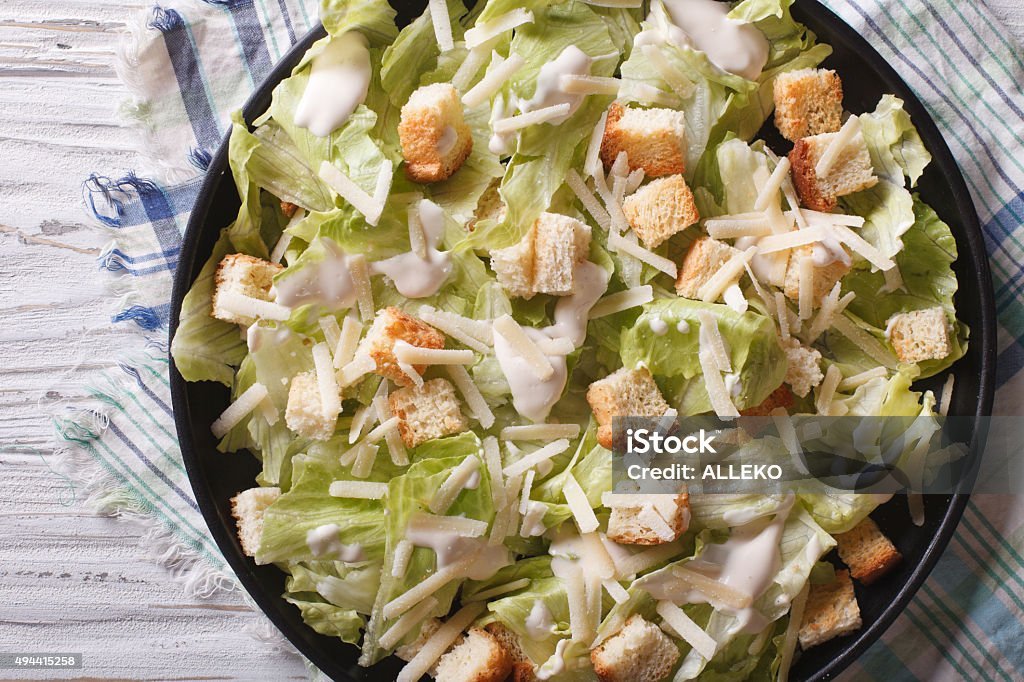
Cesar Salad
In this first picture, we have a Cesar salad. In theory, it should be the healthy option but look at what's there. Iceberg lettuce, parmesan cheese and croutons. Iceberg lettuce has little nutritional value as it's mostly water, you have a little cheese which could be good for protein if the amount was larger, and croutons which provide carbs but not the nutrient dense kind that our bodies need.

Cheeseburger
Now look at this burger. Cheese, beef, onion, tomatoes, lettuce, on a whole wheat bun. This is a very diverse meal with more variety and more nutritional value —that meets all four food categories.
The meat and cheese covers our fats and proteins, we have carbs from the bun, and all the vegetables meet the fiber category! I would argue that this meal is healthier than the salad, even with condiments. Add sweet potato fries and it gets even more nutrient dense!
Pro tip:
With this philosophy I am always asking,” is there anything I can add to this meal to increase the nutritional value?” Got a yogurt parfait with berries? Throw some natural nut butter, flax seeds and chia seeds for some healthy fats. About to eat a pizza? Throw on some olives or extra slices of tomato for more fiber. This has been my lazy girl hack for making every meal healthier. This is such an easy way to start having a nutritionally dense diet. Simply adding food items to increase the diversity and nutritional value of a meal, that I was already planning to eat, has been revolutionary. With this method, you can get really creative and make a great meal even more amazing!
4. The Fastest And Easiest Way To Eat What's Best For You
A crucial part in eating healthy is knowing what isn’t good for your body. Having an awareness of what doesn't make your body feel good may point to potential food allergies or intolerances. Many people suffer from intolerances whether they know it or not. If you are wondering if you have a food intolerance or allergy, some tell-tale signs might be bloating, stomach pain, excessive gas, poor elimination, fatigue, brain fog, and acne. Your body is always speaking to you, especially if you're eating something it doesn't like. Over the next couple days, take note of how you feel after your meals and what symptoms pop up. If you’re experiencing any of the adverse symptoms listed above, it may be a sign that you are eating something that your body isn’t a fan of. You can take a food intolerance test, or swap out certain food for a couple of days and see how your body reacts.
If you do struggle with food intolerances, you know that grocery shopping can be such a pain. Wandering around aisles to find the limited gluten/dairy/etc. free sections, only to find products that don’t look good and taste even worse when you do buy them. Costing extra money, effort and time, when you didn't even want to go to the grocery store in the first place.
That's why I LOVE shopping at Thrive Market! Thrive Market is an online grocery store that can meet all your dietary needs! Based on a short quiz, Thrive Market will recommend products that fit your unique values and dietary needs with clear tags letting you know what products are free from your specific allergy. This makes shopping so easy knowing that I am able to quickly search what foods are gluten free, dairy free, and non-genetically modified, and have my selections shipped right to my door!
No more wandering around in aisles looking for limited and terribly tasting options. At Thrive Market, so many delicious and valuable products are available with the click of a button! I love knowing that what I buy is from companies who care about sustainability and their workers— while making high quality products. Spend less time and money buying groceries that you don’t even like, and try Thrive Market place today!
YES, IT GETS EVEN BETTER
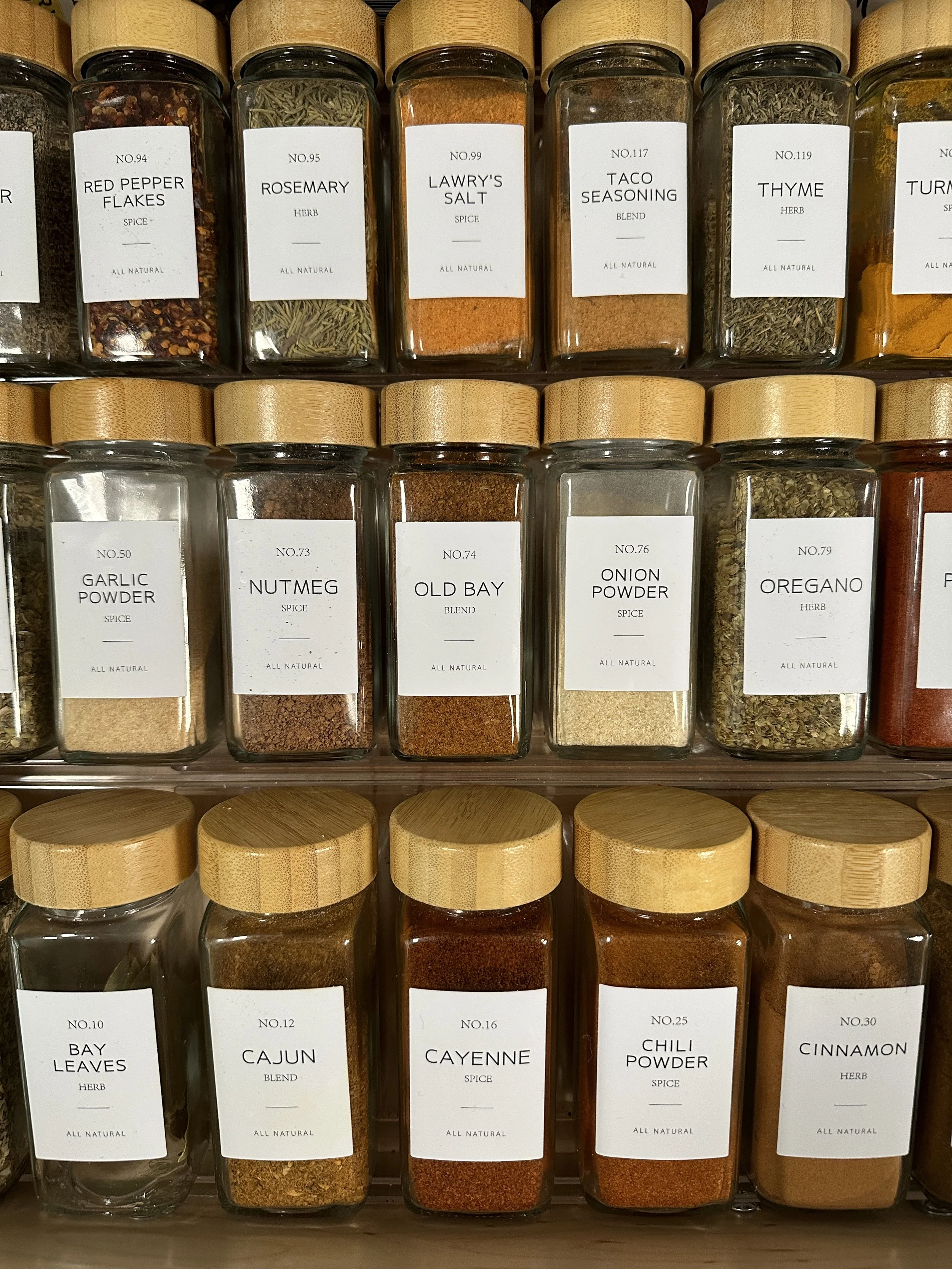
P.S: I also love that Thrive Market sells their spices in individual re-sealable packets! IF you also bought the aesthetic glass spice jars for your kitchen, look no further, these spices are perfect! They truly organize and elevate a kitchen without all the packaging waste if you were to buy the spice bottles at the store. The extra spices that don’t fill up the jar can be stored in their slim re-sealable packets, so you aren’t taking up any extra space in your cabinets! Thrive market spices have been absolutely delicious and so potent, I can’t go back to store bought pepper ever again.
5. The Shorter The List The Better
And finally, when buying food products, opt for food items with a short ingredient list on the back. This ensures that you are getting a product as close to the wholesome natural thing as possible!
Reducing the amount of ingredients that you have never heard of or can’t pronounce, will help you maintain a natural and healthy diet. The more ingredients that you haven't heard of, the chances are that food product is highly processed or contains genetically altered substances that your body isn’t equipped to digest.
If you don’t know what an ingredient is, then it probably shouldn't be going into your body. Again, in this modern world I don’t think we will always be able to avoid this, but reducing it as much as possible is a huge help!
And that's it! An easy guide to help you on your journey to eating a nutritious, well balanced diet. Once I learned and applied these rules, I was able to confidently trust that what I was eating was truly healthy and actually serving me!
After years of struggle and confusion, I finally saw my uncomfortable and upsetting symptoms disappear! If this is something you have wrestled with, I want you to know that I see you. I know it can be a frustrating journey, but I want to encourage you that it is possible to see life changing results with your diet too! Ready for quick, easy, and stress-free shopping that could completely transform your health? Check out Thrive Market! Everything you love and need is just a click away.
Your health is in your hands and you can do it! You deserve to feel good, so start by fueling good.
To your successful health and wellness journey,
Natalie
healthy total wellness eating clean eating healthy dairy free gluten free food intolerance lazy lazy girl recipes lazy girl diet diet no confusion no overwhelm diet confusion diet overwhelm thrive thrive market thrive market review thrive market testimonial online grocery shopping food nutrient dense fats high protein low carb low effort meals fiber food intolerance intolerance